Find Bathroom Renos Near Me for Your Next Home Makeover
The chipped paint on my bathroom walls had been a subtle annoyance for years, a silent testament to time and water damage. But lately, it had graduated to a full-blown eyesore. The grout in the shower was perpetually stained, no matter how much I scrubbed, and the vanity, once a charming antique, now looked more… well, ancient and wobbly. It was clear: my bathroom was crying out for a makeover. The thought of tackling such a project, however, felt monumental. My DIY skills, while enthusiastic, were decidedly limited. This meant I needed professional help. So, my quest began: find bathroom renos near me.
The initial phase of finding qualified contractors felt like a daunting expedition. I knew I wanted someone local, someone who understood the architectural quirks of my neighborhood and could potentially have established relationships with local suppliers. This wasn’t just about aesthetic appeal; it was about efficiency and understanding the nuances of building codes and local regulations. My primary goal was to find reliable artisans who could translate my vague Pinterest board dreams into a functional and beautiful reality.
Defining Your Bathroom Renovation Needs
Before even typing “bathroom renovations near me” into my search engine, I realized I needed to do some serious introspection. What was it I actually wanted from this renovation? Was it a purely cosmetic update, or were there deeper structural issues to address?
The Cosmetic Refresh: A Facelift for Your Fixtures
For me, the cosmetic aspect was a huge driver. The dated fixtures, the peeling wallpaper, the general lack of pizzazz – these were the immediate pain points. I envisioned a brighter, more modern space that reflected my current style, not the style of the previous homeowner from two decades ago. This involved thinking about new vanity styles, updated lighting, and perhaps a coat of fresh, contemporary paint.
Beyond the Surface: Addressing Underlying Issues
While the cosmetic upgrades were appealing, I also knew there were underlying issues that needed attention. The persistent dampness in a corner suggested a potential, albeit minor, moisture problem. The showerhead, while functional, was hardly a spa-like experience. These were the kind of aspects that a good contractor could identify and address, preventing future headaches and ensuring the longevity of the renovation. I wanted more than just a pretty bathroom; I wanted a healthy bathroom.
Prioritizing Functionality: Every Square Inch Counts
My bathroom isn’t the largest. Therefore, maximizing its functionality was paramount. I needed to consider how I used the space daily. Did I need more storage? Was the current layout awkward? Answering these questions helped me articulate specific needs to potential contractors, ensuring they understood the practical demands of the renovation, not just the visual ones.
Leveraging Online Resources for Local Leads
The internet, of course, became my primary tool. I started with broad searches and gradually narrowed them down.
Search Engines: The Gateway to Local Businesses
My initial searches were straightforward: “bathroom renovation contractors [my town name],” “bathroom remodelers near me.” I paid attention to the businesses that appeared on the first few pages, noting those with professional-looking websites and clear contact information. I also looked for those that offered free consultations, as this was a no-pressure way to get a feel for their expertise.
Online Review Platforms: The Wisdom of the Crowd
Websites like Yelp, Google Reviews, and Angie’s List (now Angi) became indispensable. I scoured reviews, looking for patterns in both positive and negative feedback. What did past clients praise? What were their common complaints? I was particularly interested in reviews that mentioned professionalism, communication, timeliness, and the overall quality of the finished work. A contractor with a consistently high star rating and numerous positive testimonials was a strong contender.
Contractor Websites and Portfolios: Visualizing Their Work
Once I had a shortlist of potential contractors, I delved into their individual websites. This was where I could see actual examples of their past projects. I looked for bathrooms that had a similar aesthetic to what I was envisioning, or at least demonstrated a capability for the style I desired. A well-maintained website with a comprehensive portfolio and client testimonials instilled confidence. It showed they were proud of their work and had nothing to hide.
If you’re considering a bathroom renovation, you might find valuable insights in a related article that discusses the latest trends and tips for transforming your space. This comprehensive guide covers everything from design ideas to budgeting, ensuring you have all the information you need for a successful project. To read more, visit the article here: Bathroom Renovation Tips.
The Art of the Consultation: Assessing Potential Contractors
The next critical step was to schedule consultations with the contractors who made it onto my shortlisted. This was where I moved beyond online profiles and got to interact with the people who would be physically transforming my bathroom. It was crucial to assess not just their technical skills, but also their communication style and overall professionalism.
Initial Contact and Responsiveness: First Impressions Matter
The way a contractor handled my initial inquiry spoke volumes. Did they respond promptly? Were they polite and informative in their emails or phone calls? A contractor who was slow to respond or dismissive from the outset was a red flag, suggesting they might be disorganized or not particularly invested in my project.
The In-Home Visit: Evaluating Expertise and Vision
The in-home consultation was the most important part of the process. This was where they could see the space firsthand, ask informed questions, and begin to formulate a plan.
Questions to Ask During the Consultation
I came prepared with a list of questions. This ensured I covered all the bases and didn’t forget anything crucial in the heat of the moment.
Discussing the Scope of Work
“Can you walk me through your process from start to finish?” was a fundamental question. I wanted to understand their methodology, from initial assessment to final cleanup. I also asked them to clarify what was included in their “scope of work” beyond the obvious. Were permits handled? What about waste disposal?
Understanding Materials and Products
“What brands of fixtures and materials do you typically work with, and why?” was vital. I was looking for contractors who had established relationships with reputable suppliers and could explain the benefits of certain products. I also wanted to know if they were open to using specific brands or materials I might prefer.
Budget and Estimates: Transparency is Key
“Can you provide a detailed estimate, breaking down costs for labor, materials, and any potential unforeseen expenses?” was paramount. I needed a clear understanding of the financial commitment involved. I also asked about their payment schedule and what was considered a “contingency” in their estimates.
Timeline and Scheduling: Realistic Expectations
“What is a realistic timeline for a project of this size, and how do you manage scheduling?” I wanted to ensure their projected timeline was achievable and that they had a clear plan for how they would fit my project into their schedule. I also inquired about their availability and when they could realistically start.
Experience with Similar Projects
“Have you completed similar bathroom renovations in the past, and can you share examples or references?” I wanted to see if they had a track record of success with projects that mirrored my own needs and style.
Assessing Their Communication Style
Beyond the technical questions, I paid close attention to how they communicated. Were they good listeners? Did they explain things in a way I could understand, avoiding overly technical jargon? Did they seem genuinely interested in my project and my ideas? A contractor who could communicate effectively and build rapport was more likely to create a smooth and enjoyable renovation experience.
Checking References: Hearing from Past Clients
If a contractor provided references, I always followed up. Speaking with past clients offered invaluable insights into their reliability, professionalism, and the quality of their work. I asked about their experience working with the contractor, any challenges they encountered, and whether they would recommend them.
Deciphering the Estimates: More Than Just Numbers

Receiving estimates from my shortlisted contractors was a crucial step in the decision-making process. However, simply comparing the bottom-line numbers wasn’t enough. I needed to understand the nuances of each estimate to make an informed choice about who was the best fit for my project.
The Importance of a Detailed Breakdown
A comprehensive estimate should be itemized, clearly delineating costs for labor, materials, permits, and any other associated expenses. This transparency allowed me to see where my money was going and identify any potential areas where costs might be inflated or underestimated.
Labor Costs: Understanding Hourly Rates vs. Project-Based Pricing
Some contractors provide estimates based on an hourly rate, while others offer a fixed project price. Both have their advantages and disadvantages. Hourly rates can sometimes be more flexible, allowing for adjustments during the renovation, but they can also lead to escalating costs if the project takes longer than anticipated. Project-based pricing offers more certainty, but it’s crucial to ensure the scope of work is meticulously defined to avoid disputes later on. I looked for a contract that clearly stated how labor costs would be handled.
Material Costs: Specified vs. Allowance
Estimates often include material costs. It’s important to understand if these are specific allowances for particular brands and types of materials or a general allowance that allows for flexibility. If it was an allowance, I wanted to know what that allowed for. Was it for mid-range materials or high-end options? Understanding this helped manage expectations regarding the quality and cost of the finishes.
The “Hidden” Costs: Permits and Unexpected Issues
A good estimate will also account for potential “hidden” costs. This includes the cost of any necessary permits and a contingency fund for unforeseen issues that might arise during the renovation. A contractor who overlooked these aspects might leave me vulnerable to unexpected bills down the line. I wanted to see a specific line item for permits, and a clear explanation of how any overages or unexpected issues would be handled.
Comparing Apples to Apples: The Nuances of Bids
When comparing estimates, it’s essential to ensure you’re comparing “apples to apples.” This means verifying that each bid covers the same scope of work and includes similar quality of materials. A significantly lower bid might seem attractive, but it could indicate a compromise on materials or a less thorough approach to the project. I would specifically ask the contractor about the difference if one estimate was significantly lower than the others.
Contractual Agreements: The Foundation of a Successful Project
Once I had chosen a contractor, the next step was to solidify our agreement with a written contract. This document serves as a legal safeguard for both parties and clearly outlines the terms of the renovation.
Key Clauses to Look For in a Contract
I paid close attention to several key clauses within the contract.
Scope of Work: Detailed and Unambiguous
The contract must clearly define the exact scope of work to be performed. This includes a detailed list of tasks, materials to be used, and the desired outcome. Ambiguity in this section can lead to disputes later on.
Payment Schedule: Fair and Transparent
A fair payment schedule is crucial. It typically involves an initial deposit, progress payments throughout the project, and a final payment upon completion. I wanted to ensure the payment milestones aligned with the completion of specific stages of the renovation.
Change Order Procedures: Managing Modifications
Renovations rarely go exactly as planned. A change order clause outlines the process for making modifications to the original plan and how associated costs will be handled. This prevents unexpected charges and ensures both parties agree on any changes.
Warranty and Guarantees: Peace of Mind
A reputable contractor will offer a warranty on their workmanship and materials. This provides peace of mind knowing that any defects or issues that arise after the renovation will be addressed. I specifically asked about the duration and coverage of the warranty.
Insurance and Licensing: Verifying Legitimacy
The contract should also verify that the contractor is properly licensed and insured. This protects me from liability in case of accidents or damages during the renovation process.
The Renovation Process: From Demolition to Dream Bathroom

With a contract signed and a contractor in place, the actual renovation process began. This stage was filled with anticipation, occasional disruption, and ultimately, the transformation of my space.
Site Preparation and Demolition: The Messy Beginning
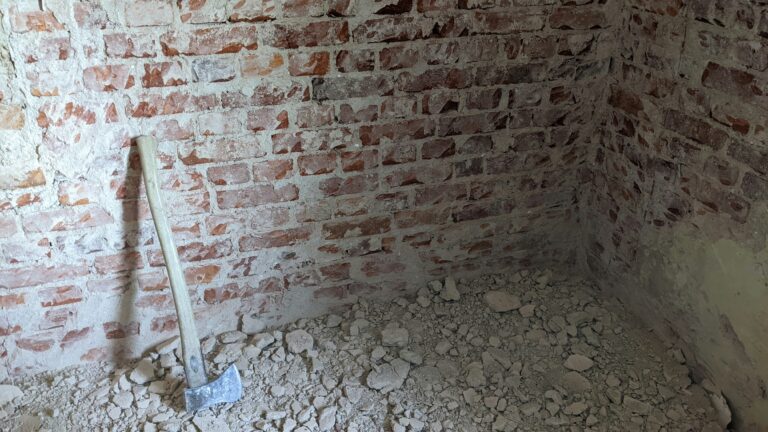
The first step typically involves preparing the work area and then demolition. This is usually the messiest part of the renovation. Protecting surrounding areas from dust and debris is crucial, and good contractors will take these precautions seriously.
Dust Control and Protection: Minimizing Disruption
I was relieved to see my chosen contractor took dust control seriously. They sealed off the bathroom door with plastic sheeting and plastic-wrapped the hallway to prevent dust from spreading throughout my home. This attention to detail made the disruption much more manageable.
Responsible Waste Disposal: Eco-Conscious Choices
The removal of old fixtures and building materials requires responsible disposal. I appreciated it when contractors discussed their waste disposal methods and opted for eco-friendly options when possible.
Framing, Plumbing, and Electrical: The Structural Backbone
Once the old was out, the new began to take shape. This phase involves the more technical aspects of the renovation.
Rough Plumbing and Electrical Work: Laying the Foundation
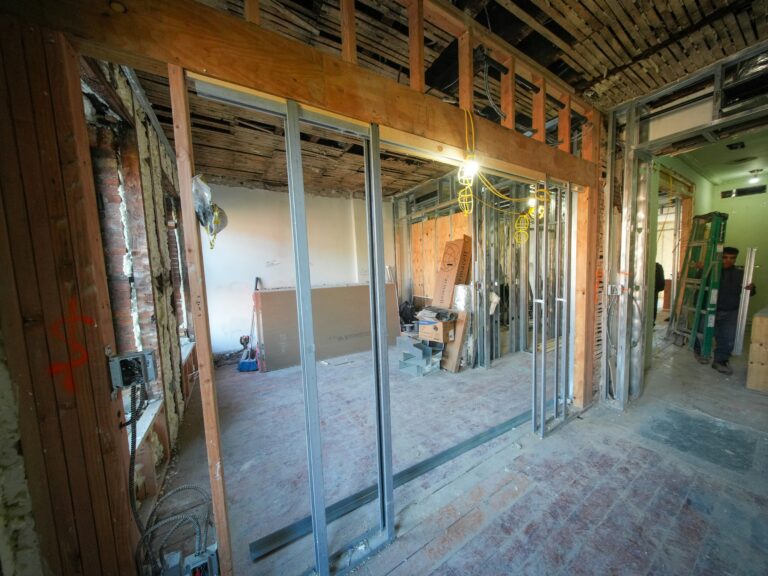
This is where the new plumbing and electrical systems are installed. This is critical for the functionality and safety of the bathroom. Ensuring pipes are properly sealed and wiring is up to code is paramount.
Ensuring Code Compliance: Safety First
I relied on my contractor to ensure all plumbing and electrical work met local building codes. This is not something a homeowner should ever compromise on, as it directly impacts safety.
Drywall, Tiling, and Painting: Bringing the Vision to Life
This stage is where the aesthetic transformation really starts to become apparent.
Drywall Installation and Finishing: The Canvas for Color
Properly installed and finished drywall creates a smooth surface for paint and tile. I observed how skilled the team was in making the walls look even and seamless.
Tiling Expertise: The Details That Matter
Tile work can elevate a bathroom immensely, from the shower surround to the floor. I looked for precision in the layout, consistent grout lines, and careful cuts around fixtures. The tile installer is often a true artisan in a renovation.
Painting and Finishing Touches: The Final Flourish
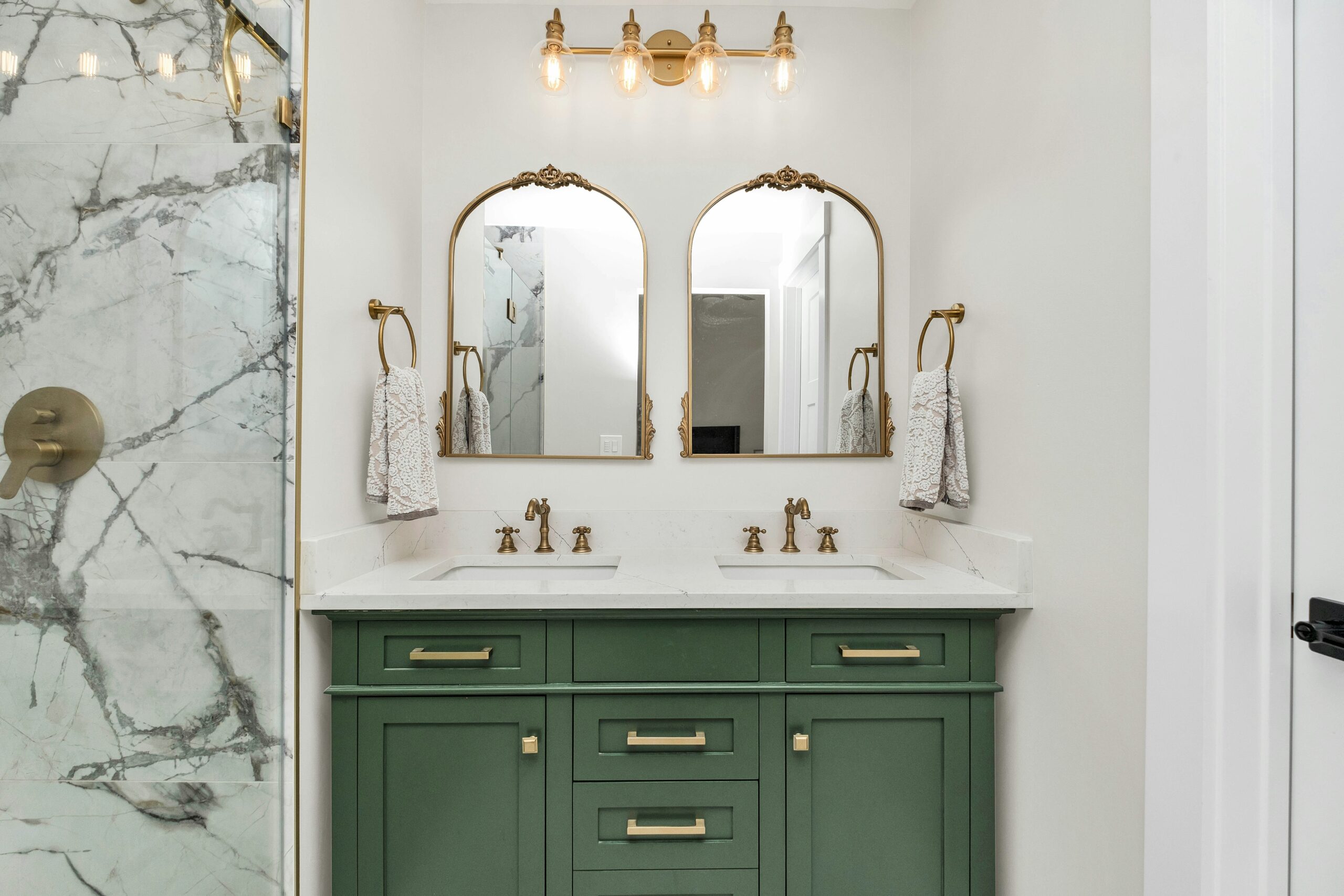
The final coat of paint brings everything together. Choosing the right color and ensuring a clean, even application makes a significant difference. This is also when vanity tops are installed, sinks are connected, and light fixtures are put in place.
If you’re considering a bathroom renovation, you might find it helpful to read a related article that offers insights and tips on local contractors and design ideas. This resource can guide you through the process and help you make informed decisions. For more information, check out this informative piece on bathroom renovations near you at bathroom renos.
Post-Renovation: Enjoying Your New Sanctuary
| Location | Number of Bathroom Renovations | Average Rating |
|---|---|---|
| Downtown | 25 | 4.5 |
| Midtown | 18 | 4.2 |
| Uptown | 30 | 4.7 |
The day the final touches were completed and the tools were packed away was a moment of immense satisfaction. My bathroom, once a source of frustration, had been transformed into a space I truly loved and enjoyed.
Thorough Cleanup: Leaving the Space Pristine
A professional renovation concludes with thorough cleanup. This includes removing all construction debris, dusting surfaces, and cleaning the newly installed fixtures. A clean and tidy workspace is a sign of a contractor’s respect for the client’s home.
The Final Walkthrough: Addressing Any Lingering Concerns
Before making the final payment, I conducted a final walkthrough with my contractor. This was my opportunity to inspect all the work, ensure everything was to my satisfaction, and address any minor issues or concerns that might have arisen.
Enjoying Your Enhanced Space: The Reward of the Renovation
The true reward of a well-executed bathroom renovation is the daily enjoyment of the enhanced space. The updated fixtures, improved functionality, and fresh aesthetic made my mornings more pleasant and my evenings more relaxing. It was more than just a remodel; it was an investment in my home and my well-being. The search for bathroom renos near me had been worth every step of the process. My once-tired bathroom was now a testament to the power of professional expertise and thoughtful design.
FAQs
What are the benefits of bathroom renovations?
Bathroom renovations can increase the value of your home, improve functionality, and enhance the overall aesthetic appeal of the space. Upgrading fixtures and features can also lead to improved energy efficiency and water conservation.
How long does a typical bathroom renovation take?
The timeline for a bathroom renovation can vary depending on the scope of the project. A simple cosmetic update may take a few weeks, while a more extensive renovation involving structural changes could take several months to complete.
What factors should I consider when planning a bathroom renovation?
When planning a bathroom renovation, it’s important to consider your budget, desired design aesthetic, functional needs, and the expertise of the professionals you choose to work with. It’s also important to consider any necessary permits and building regulations.
What are some popular trends in bathroom renovations?
Some popular trends in bathroom renovations include the use of natural materials such as wood and stone, minimalist design, smart technology integration, and the use of bold colors and patterns. Additionally, walk-in showers, freestanding tubs, and floating vanities are popular choices for modern bathrooms.
How can I find reputable bathroom renovation professionals near me?
To find reputable bathroom renovation professionals near you, consider asking for recommendations from friends and family, researching online reviews, and checking with local trade organizations. It’s also important to request references and verify the credentials and experience of any professionals you are considering hiring.