Revamp Your Home: Residential Remodeling Near Me
The chipped paint on my kitchen cabinets, once charmingly rustic, now just screamed “neglect.” My once-cozy living room felt a little cramped, and the thought of tackling that overflowing bathroom was enough to send me into a spiral of avoidance. For months, I’d been casually browsing Houzz, pinning dream kitchens and serene master suites, but the actual act of remodeling felt like climbing Mount Everest – a daunting, expensive, and frankly, overwhelming prospect. Then, one rainy Saturday, staring at a particularly sad-looking crack in the ceiling, I decided enough was enough. It was time to stop dreaming and start doing. It was time to revamp my home, and that meant finding residential remodeling near me.
The Initial Spark: Why Now?
It’s funny how often a small, seemingly insignificant detail can be the catalyst for a major life change. For me, it was that ceiling crack. It wasn’t just cosmetic; it was a physical manifestation of years of wear and tear, of a home that had served its purpose but was starting to show its age. Beyond the structural annoyances, though, were deeper desires. I yearned for a space that reflected my current lifestyle, not one from a decade or two ago. I wanted to entertain more comfortably, to have a dedicated space for my ever-growing book collection, and, frankly, to have a bathroom that didn’t make me feel like I was in a time warp. The idea of “residential remodeling near me” started to shift from a vague aspiration to a concrete goal. I knew I couldn’t do it all myself, and I wanted the expertise and experience of professionals who understood the nuances of home renovations. The initial spark, ignited by a crack, quickly grew into a burning desire for a revitalized living environment.
The Overwhelming Landscape of “Near Me”
The phrase “residential remodeling near me” sounds simple enough, but when you actually start searching, the sheer volume of options can be paralyzing. Websites like Google Maps, Yelp, and contractor directories are flooded with companies, each promising the moon and stars. It’s a sea of logos, testimonials, and before-and-after photos. My initial impulse was to click on the first few promising-looking listings, but I quickly realized that a more strategic approach was needed. This wasn’t a decision to be rushed; it was an investment, and I wanted to make sure I was choosing the right partners for this significant undertaking. The “near me” aspect was crucial – I wanted local professionals who understood the architectural styles prevalent in my area and who would be readily available for site visits and project oversight. But the sheer number of them meant I had to develop a filter.
Before I could even dream of contacting contractors, I knew I had to get my own house in order, both literally and figuratively. This meant a deep dive into what I actually wanted and, perhaps more importantly, what I could realistically afford. This wasn’t just about aesthetics; it was about functionality, longevity, and ensuring any changes added value to my home.
The Dream Board: Translating Aspirations into Tangible Ideas
My Pinterest boards were a testament to my ideal home, but they were also a chaotic jumble of styles and features. I needed to bring some order to this creative chaos. I started by categorizing my dream elements by room.
Kitchen Remodeling Dreams
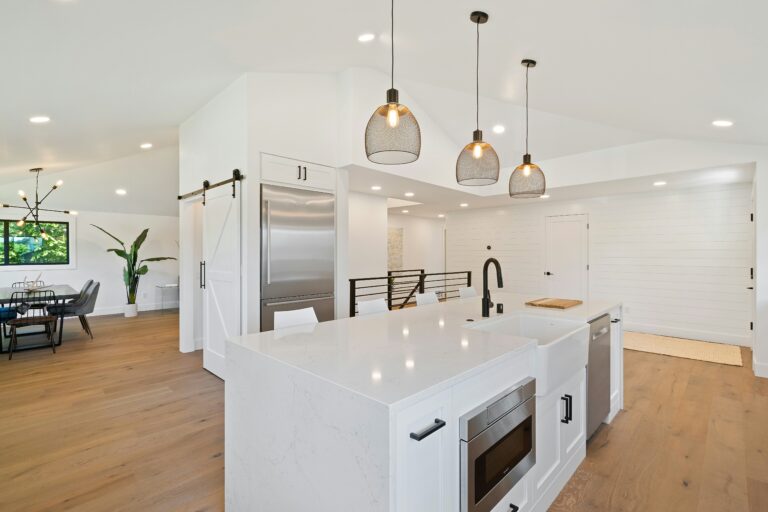
- Layout Optimizations: I envisioned a more open-plan kitchen, breaking down the wall that separated it from the dining area. This would not only create a sense of spaciousness but also allow for better interaction when entertaining. I pinned images of large islands with ample seating, ample storage solutions like pull-out pantries, and integrated appliances for a sleek, modern look.
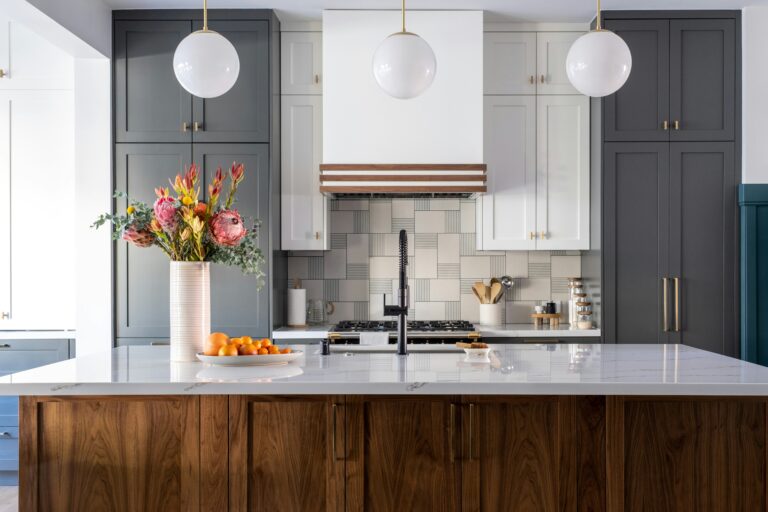
- Material Preferences: My current countertops had seen better days. I was drawn to the durability and elegant look of quartz, but also kept an eye on granite and even some of the newer composite materials. For cabinetry, I leaned towards shaker-style doors in a light, neutral tone, perhaps a soft grey or a creamy white, to maximize light.
- Appliance Upgrades: My refrigerator hummed a mournful tune, and the oven was more of a suggestion than a reliable cooking tool. I dreamed of energy-efficient stainless steel appliances, including a double oven and a powerful, quiet range hood.
Bathroom Renovation Goals
- Spa-Like Sanctuary: My current bathroom felt more like a utilitarian closet. I longed for a retreat, a place to unwind and de-stress. This meant a larger shower with multiple showerheads, a freestanding soaking tub, and perhaps even heated floors.
- Space-Saving Solutions: The existing vanity was bulky and offered little storage. I explored floating vanities to create a sense of airiness and incorporated recessed shelving and medicine cabinets for clutter-free storage.
- Modern Fixtures and Finishes: I was keen on a minimalist aesthetic in the bathroom, with clean lines and a focus on high-quality fixtures. Matte black or brushed nickel finishes appealed to me, paired with large format tiles for a seamless and sophisticated look.
Living Area Enhancements
- Enhanced Functionality: The living room was where I spent most of my time, but it lacked dedicated storage. I dreamed of built-in bookshelves that could house my extensive collection and also provide a focal point for the room.
- Improved Lighting: The existing lighting was harsh and unforgiving. I envisioned layered lighting, with ambient, task, and accent lighting to create different moods and highlight architectural features.
- Cosmetic Touches: Beyond the storage and lighting, I wanted to refresh the overall feel of the room. This included considering new paint colors, perhaps a warmer, more inviting shade, and potentially new flooring or updated trim.
The Budgetary Reality: Facing the Numbers
Once I had a clear vision, the next crucial step was to translate those dreams into a realistic budget. This is where the initial excitement can meet a bit of a reality check, but it’s an essential step for any successful remodeling project.
Estimating Costs for Each Project Area
I started by researching average costs for each of the envisioned renovations. This involved looking at online cost guides, talking to friends who had recently remodeled, and even getting some preliminary quotes from suppliers for materials I was interested in.
- Kitchen: This was undoubtedly the biggest investment. I estimated costs for cabinets, countertops, appliances, flooring, lighting, plumbing, and labor. Rough estimates placed this in the tens of thousands, which was intimidating but also helped frame the scope of the project.
- Bathroom: Bathrooms, while smaller, can be surprisingly expensive due to the plumbing involved and the desire for high-end finishes. I factored in the cost of fixtures, tiles, vanity, shower enclosure, and tiling labor.
- Living Area: This was the most flexible in terms of budget. Built-in shelving could range from custom-built and painted to more modular options. Lighting upgrades and paint were relatively less expensive components.
The Contingency Fund: Planning for the Unexpected
Every contractor I spoke with emphasized the importance of a contingency fund, and I heeded their advice. Home renovations are notorious for uncovering hidden issues – leaky pipes behind walls, outdated electrical wiring, or structural problems that weren’t apparent during the initial inspection. I allocated an additional 15-20% of my total estimated budget as a buffer for these unforeseen circumstances. This gave me peace of mind knowing I wouldn’t be completely derailed by unexpected expenses.
If you’re considering a residential remodeling project, you might find valuable insights in this related article on home improvement trends and tips. It offers practical advice for homeowners looking to enhance their living spaces while maximizing value. For more details, check out the article here: Residential Remodeling Insights.
The Hunt for the Right Team: Finding “Residential Remodeling Near Me” Specialists
With a clear vision and a budget in place, the real work began: finding the right team to bring it all to life. This was a critical stage, as my home was my sanctuary, and I needed to trust the people I was inviting into it.
If you’re considering a residential remodeling project, you might find it helpful to explore some expert insights and tips. A great resource is an article that discusses various aspects of home renovations, which you can read more about here. This article covers everything from budgeting to design ideas, making it a valuable guide for homeowners looking to enhance their living spaces.
The Power of Referrals: Word-of-Mouth Recommendations
The first place I turned was my personal network. I reached out to friends, family, and colleagues who had recently undergone remodeling projects.
Asking the Right Questions
When seeking recommendations, I didn’t just ask, “Who did you use?” I delved deeper:
- “What was your overall experience like?” This helped gauge their communication, punctuality, and general professionalism.
- “Were they on budget and on time?” While rarely perfect, a contractor who communicates well about any deviations is key.
- “How did they handle any challenges or unexpected issues?” This revealed their problem-solving skills and their ability to navigate the inevitable bumps in the road.
- “Would you hire them again?” This simple question often provided the most honest feedback.
Leveraging Local Social Media Groups
I also tapped into local community Facebook groups. Posting a request for recommendations for residential remodeling near me yielded a surprisingly robust response. People were eager to share their positive (and negative!) experiences, which provided a wealth of information.
The Digital Dossier: Researching Potential Contractors
Once I had a shortlist from referrals, I moved to the digital realm to conduct more in-depth research.
Online Reviews and Ratings
Websites like Yelp, Google Reviews, and the Better Business Bureau (BBB) became my go-to resources. I looked for patterns in reviews, both positive and negative. A few isolated negative reviews might be explainable, but a consistent theme of poor communication or shoddy workmanship was a major red flag.
Portfolio and Website Scrutiny
I spent considerable time browsing the websites of the companies I was considering. Their portfolios were a crucial indicator of their style, quality of work, and the types of projects they typically undertake. I looked for photos that mirrored the aesthetic I was aiming for and for clear, well-executed finishes.
Licensing and Insurance Verification
This is a non-negotiable step. I ensured that all potential contractors were properly licensed and insured. This protected me financially and legally in case of accidents or incomplete work. I would ask for proof of their licenses and insurance certificates.
The Initial Consultation: Meeting the Professionals
After narrowing down my choices to a few promising candidates, it was time for the in-person meetings. This was my opportunity to gauge their professionalism, communication style, and how well they understood my vision.
“Do They Listen?” The Importance of Communication
During consultations, my primary focus was on how well they listened. Did they interrupt? Did they seem genuinely interested in my needs and desires, or were they trying to steer me towards their preferred solutions? A good contractor will ask clarifying questions and offer suggestions that align with your initial vision.
The Bid Breakdown: Clarity and Transparency
I requested detailed bids from each contractor, and I meticulously reviewed them. I wanted to see a clear breakdown of costs for materials, labor, permits, and any other potential fees. Transparency was paramount. I asked for explanations of any line items I didn’t understand and looked for any hidden costs or vague estimates.
Gut Feeling: Trust and Rapport
Beyond the practicalities, there’s an undeniable element of trust and rapport. Did I feel comfortable with this person in my home? Did I feel confident in their ability to manage the project and my expectations? This gut feeling, combined with their professional qualifications and transparent approach, played a significant role in my final decision.
The Transformation Begins: Project Kick-off and Execution

The day finally arrived when I signed the contract and the remodeling began. It’s a strange feeling to have strangers in your home, dismantling and rebuilding. But with the right team in place, the anxiety quickly turned into excitement.
The “Before” Photos: Documenting the Starting Point
Before any demolition began, I took extensive “before” photos of every angle of my kitchen, bathroom, and living room. This was not only for my personal record but also served as a valuable reference point throughout the project. It allowed me to visualize the transformation and appreciate the progress being made.
Demolition Day: Out with the Old…
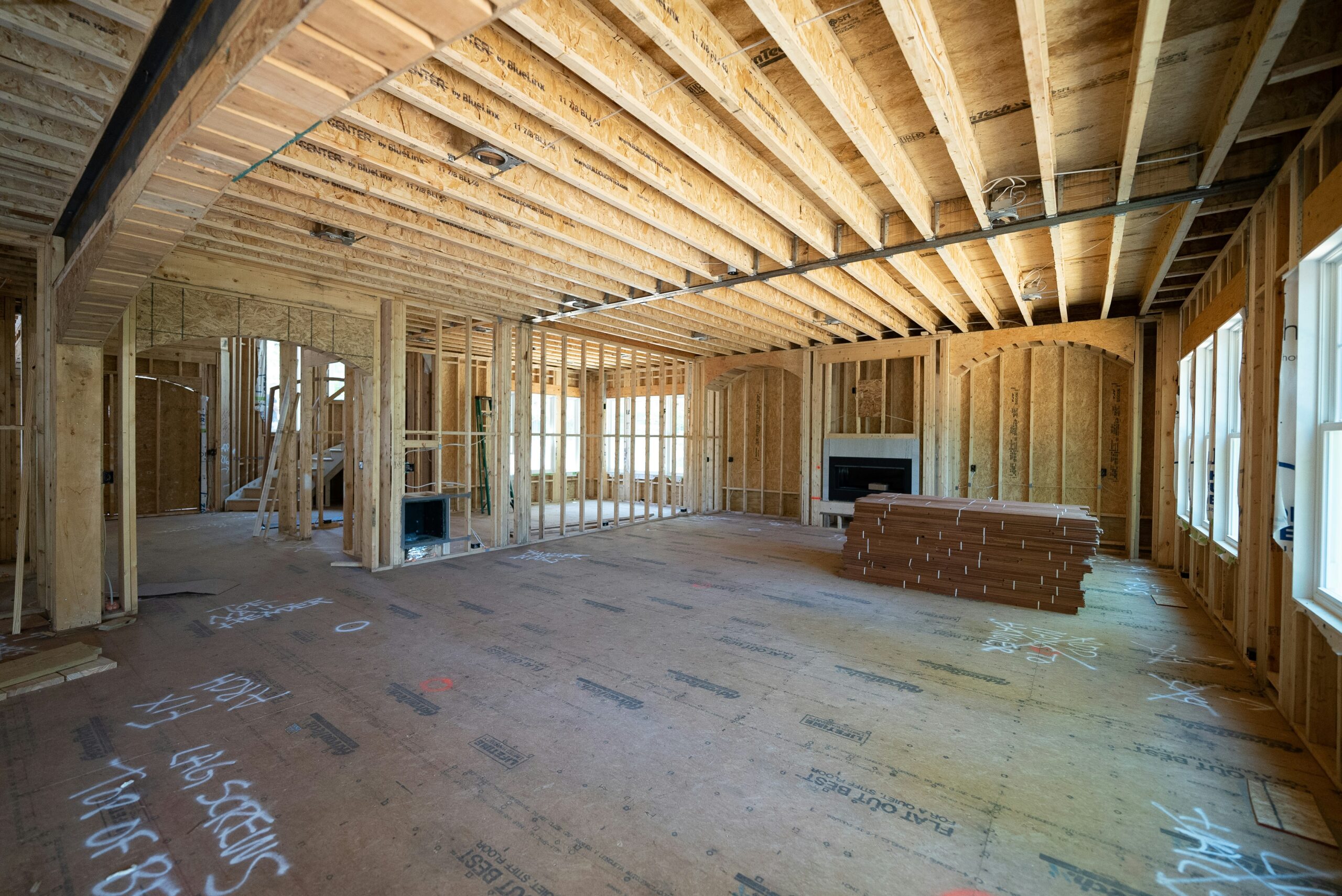
Demolition day is always a mix of excitement and mild apprehension. Watching the old cabinets being carefully dismantled and the old tile being chipped away felt like a necessary ritual. It’s a tangible sign that the transformation is truly underway.
The Backbone of the Project: Plumbing and Electrical Work
Much of the critical, behind-the-scenes work happens during the plumbing and electrical phases. This is where the functionality of the new spaces is established.
Upgrading Plumbing for Modern Needs
In the kitchen, we reconfigured the plumbing to accommodate the new island and the relocated sink. The bathroom saw entirely new plumbing for the freestanding tub and the enlarged shower. Ensuring these were done correctly from the outset was crucial for long-term functionality and preventing future leaks.
Modernizing Electrical Systems
My home’s electrical system was undoubtedly older and not equipped for the demands of modern appliances and lighting. This was an opportunity to upgrade wiring, add additional outlets in convenient locations, and ensure the entire system was up to code and safe.
The Art of Installation: Bringing the Vision to Life
This is where the magic truly starts to happen. The installation of cabinets, countertops, tiles, and fixtures gradually transforms the bare bones of the renovation into the beautiful spaces I had envisioned.
Cabinetry and Countertop Installation: The Core of the Kitchen
The installation of custom cabinets is a painstaking process that requires precision. I watched with fascination as each cabinet was placed, leveled, and secured. Once the cabinets were in, the countertops were templated and then installed. The seamless transition from cabinet to countertop was a moment of pure satisfaction.
Tiling and Fixture Placement: The Details that Matter
In the bathroom, the intricate process of tiling the floor and walls began. Precision and attention to detail are paramount here to ensure a clean, professional finish. The installation of the vanity, toilet, shower enclosure, and fixtures followed, bringing the spa-like sanctuary closer to reality.
Lighting and Finishing Touches: The Grand Finale
The installation of new lighting fixtures, including the sleek pendant lights over the island and the recessed lighting throughout the rooms, truly illuminated the transformation. Final touches like painting, trim work, and hardware installation completed the picture.
Living the Revamped Dream: Enjoying the Results

The remodel is complete, the dust has settled, and I’m now living in a home that feels brand new. The process was challenging at times, but the end result has far exceeded my expectations.
A Kitchen That Inspires
My new kitchen is a far cry from its former self. It’s bright, open, and incredibly functional. Cooking is no longer a chore; it’s an enjoyable experience. The island has become the central hub for family and friends, and the ample storage means I can finally keep my countertops clutter-free. Every time I walk into the kitchen, I feel a sense of pride and accomplishment.
A Bathroom Oasis
The bathroom has been transformed into a true sanctuary. The soaking tub is my go-to spot for relaxation, and the spacious shower is a luxurious indulgence. It’s a peaceful retreat that makes me feel pampered and refreshed every single day.
A More Comfortable and Inviting Living Space
The living room feels more open and inviting. The built-in bookshelves have not only provided much-needed storage but have also added a sophisticated architectural element to the room. The improved lighting creates a warm and cozy ambiance, making it the perfect place to relax and unwind.
The Lasting Impact on My Quality of Life
The impact of this residential remodeling project goes far beyond aesthetics. It has genuinely improved my quality of life. My home now feels like a true reflection of who I am and how I live. It’s a space that I’m proud to share with others and a place where I can create lasting memories. The investment was significant, but the return in terms of comfort, functionality, and personal fulfillment is immeasurable. If you’re considering a renovation, I can attest that the journey, while sometimes challenging, is ultimately incredibly rewarding. Don’t wait for that ceiling crack to force your hand; start planning your own home revamp today.
FAQs
What is residential remodeling?
Residential remodeling refers to the process of making changes or improvements to a home. This can include renovations, additions, or upgrades to various areas of the house such as the kitchen, bathroom, or outdoor spaces.
What are the benefits of residential remodeling?
Residential remodeling can increase the functionality, comfort, and aesthetic appeal of a home. It can also add value to the property and improve energy efficiency. Additionally, remodeling allows homeowners to customize their living space to better suit their needs and lifestyle.
How do I find residential remodeling services near me?
To find residential remodeling services near you, you can use online search engines, business directories, or ask for recommendations from friends and family. You can also use online platforms that specialize in connecting homeowners with local remodeling contractors.
What should I consider when hiring a residential remodeling contractor?
When hiring a residential remodeling contractor, it’s important to consider their experience, credentials, and reputation. You should also ask for references, check for proper licensing and insurance, and request a detailed written estimate for the project.
What are some popular residential remodeling projects?
Popular residential remodeling projects include kitchen renovations, bathroom upgrades, basement finishing, room additions, and outdoor living space enhancements. Other common projects include flooring replacement, painting, and window or door replacements.