Find the Best Kitchen Bathroom Remodel Near Me
Finding the best kitchen and bathroom remodel near me feels like embarking on a grand adventure. It’s more than just a home improvement project; it’s about transforming the heart of my home, the spaces where I cook, gather, relax, and prepare for the day. For years, my kitchen has been a functional but uninspired space, and my bathroom, while clean, lacks the spa-like sanctuary I’ve always dreamed of. The thought of undertaking such a significant renovation fills me with a mix of excitement and trepidation. The sheer volume of choices, the investment involved, and the disruption to my daily life all weigh on my mind. But the desire for a beautiful, efficient, and modern living space outweighs the anxieties. This article is my journey, my guide, and my promise to myself to navigate the process of finding the best kitchen and bathroom remodel near me with confidence and clarity.
Before I even start typing “kitchen and bathroom remodel near me” into my search engine, I know I need to do some serious introspection. This isn’t a spur-of-the-moment decision, and haphazardly jumping into contractor interviews without a clear plan will surely lead to frustration and wasted time. My first step is to crystallize exactly what I want.
Uncovering My Aesthetic: What’s My Style?
This is where I get to indulge in my daydreams. I browse magazines, scroll through Pinterest boards, and save Instagram posts with an almost obsessive fervor. What color palettes speak to me? Do I lean towards minimalist modern, cozy farmhouse, classic traditional, or something entirely unique?
Kitchen Style Exploration:
- Modern Minimalist: Clean lines, sleek surfaces, integrated appliances, neutral colors with pops of bold accents. I love the uncluttered feel, but I question if it’s too cold for my taste.
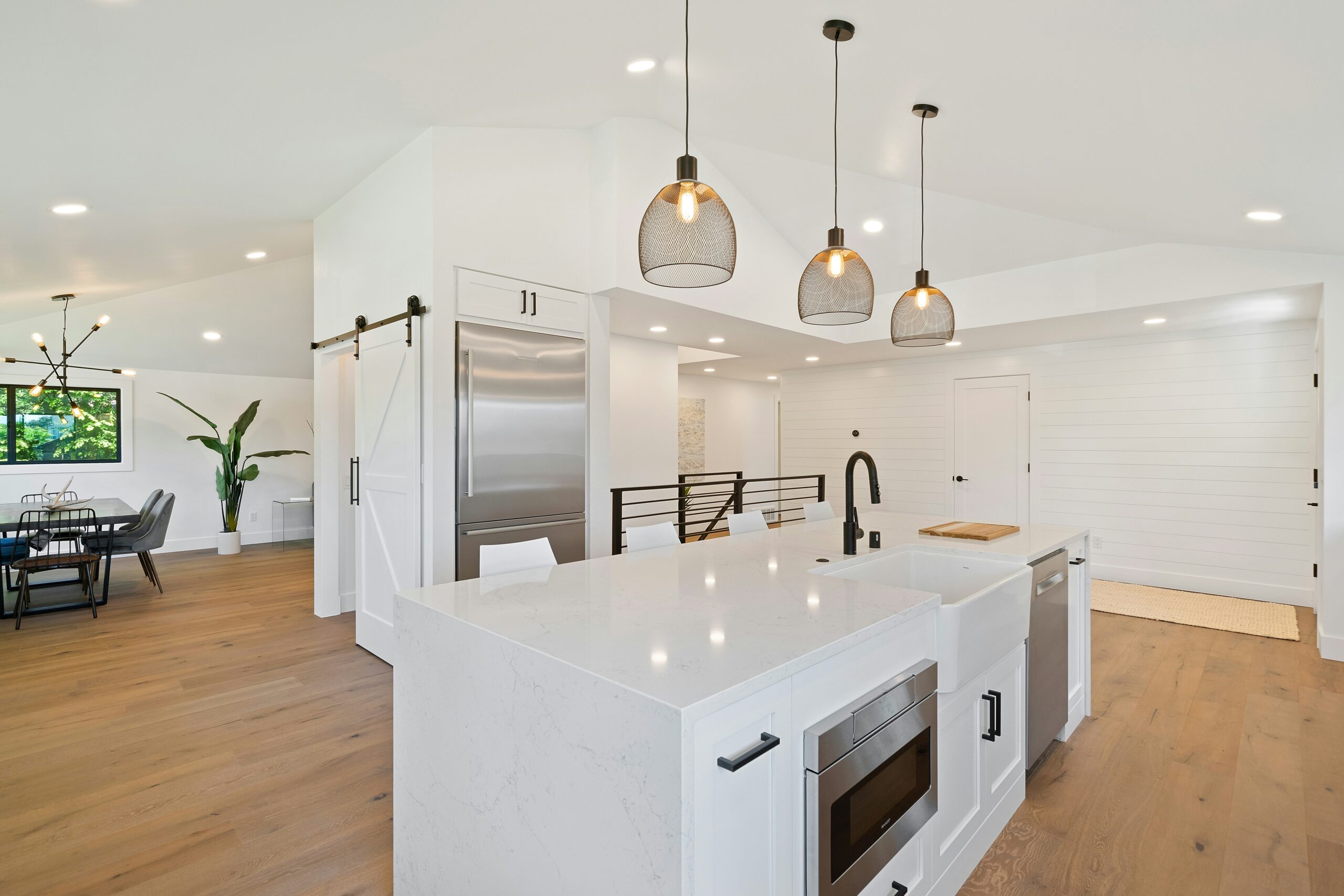
- Farmhouse Chic: Shiplap walls, apron sinks, distressed wood accents, warm earth tones. This resonates with a sense of comfort and tradition. I need to ensure it doesn’t become too cluttered.
- Transitional Elegance: A blend of traditional and contemporary. This often involves classic cabinet styles with updated hardware and finishes. This might be the sweet spot for me, offering timeless appeal with a modern twist.
- Bold and Eclectic: Vibrant colors, unique tiles, statement lighting. This is certainly the most adventurous, and I’m not sure I have the confidence to pull it off fully, but I can draw inspiration for specific elements.
Bathroom Oasis Inspiration:
- Spa-like Serenity: Calming colors (blues, greens, grays), natural materials (wood, stone), rainfall showerheads, freestanding tubs, soft lighting. This is the ultimate goal for my bathroom – a place to escape and recharge.
- Neo-Traditional Luxury: Marble countertops, elegant subway tile, statement vanity, refined hardware. This offers a sophisticated and timeless feel.
- Industrial Grit: Exposed brick, concrete finishes, metal fixtures, subway tile. This is a bold choice, and while I appreciate the aesthetic, I’m not sure it aligns with my overall home’s vibe.
- Coastal Breeze: Light, airy colors, natural wood, nautical accents, shiplap. This evokes a sense of vacation and relaxation.
Budgeting Realistically: The Hard Truth
Dreaming is wonderful, but the reality of home renovation hinges on finances. I need to sit down with my bank statements and have an honest conversation with myself about what I can realistically afford. This involves not just the quote from the contractor but also a buffer for unexpected issues.
Establishing a Financial Framework:
- Gathering Current Financials: I’ll review my savings, assess my capacity for a loan if needed, and determine a clear upper limit.
- Researching Average Costs: I’ll look up typical remodeling costs for kitchens and bathrooms in my area. This will give me a ballpark figure and help set realistic expectations. Sites like Houzz, HomeAdvisor, and local contractor websites often provide cost guides.
- The “10-20% Buffer” Rule: I’ve heard this advice countless times, and it’s crucial. Unexpected plumbing issues, electrical surprises, or material availability problems can quickly inflate the initial estimate. Having a contingency fund is non-negotiable.
- Prioritizing Expenses: If my dream kitchen exceeds my budget, what elements are most important? Is it the custom cabinetry, the high-end appliances, or the ornate backsplash? I’ll create a tiered list of must-haves versus nice-to-haves.
Detailing the Wishlist: Specific Needs and Wants
Beyond aesthetics, I need to consider the functionality of these spaces. Are there specific pain points in my current kitchen or bathroom that I absolutely want to address?
Functional Kitchen Requirements:
- Improved Workflow: My current kitchen layout is awkward. I need a more efficient triangle between the refrigerator, sink, and stove.
- Ample Storage: I’m constantly battling clutter. I need more cabinet space, including pull-out shelves and dedicated areas for specific items like spices and baking supplies.
- Better Lighting: The lighting in my kitchen is a mix of harsh overhead fluorescents and a single sad pendant. I envision layered lighting: task lighting under cabinets, ambient lighting for general illumination, and accent lighting for showcasing decor.
- Appliance Upgrades: My oven is aging, and my dishwasher is loud. I’m eyeing energy-efficient, modern appliances that will make cooking and cleaning a pleasure.
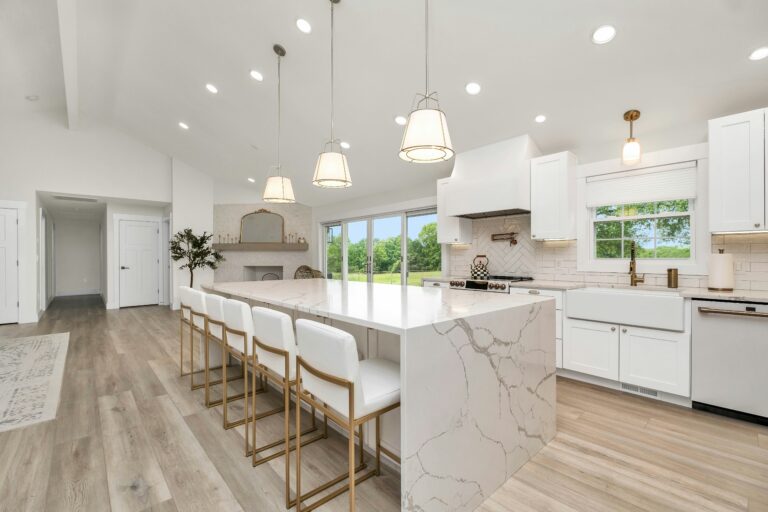
- Island or Peninsula: I dream of a central hub for prep work, casual dining, and entertaining.
Functional Bathroom Needs:
- Spa-like Shower Experience: A curbless shower with a rainfall showerhead and a separate handheld sprayer is a top priority.
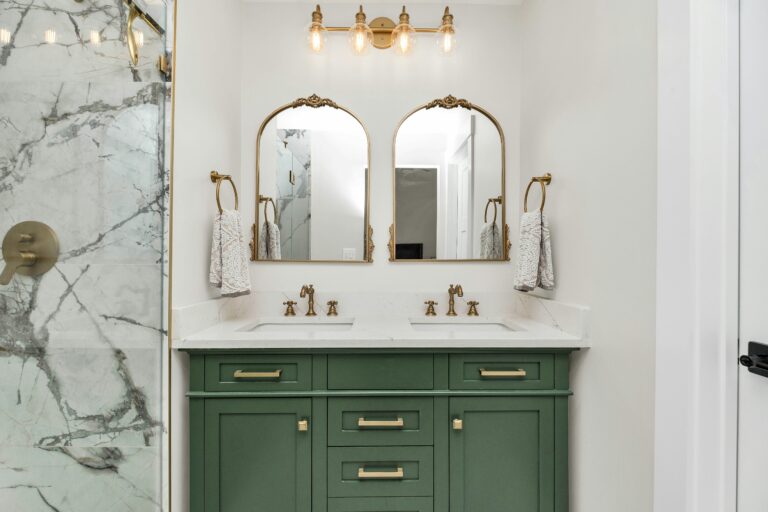
- Modern Vanity: My current vanity is too small and lacks adequate storage. I want a double vanity with plenty of drawer space.
- Soaking Tub: If space permits, a deep soaking tub would be a luxurious addition.
- Improved Ventilation: My current bathroom fan is ineffective, leading to moisture issues. A powerful, quiet ventilation system is essential.
- Smart Storage Solutions: Built-in shelving, medicine cabinets, and linen closets will help keep the space organized.
If you’re considering a kitchen or bathroom remodel near you, it’s essential to gather insights and inspiration from various sources. One helpful article that delves into the latest trends and tips for remodeling can be found at this link. It offers valuable information that can guide you through the remodeling process, ensuring you make informed decisions that enhance both the functionality and aesthetics of your space.
Navigating the Search: Finding Reputable Contractors
This is where the rubber meets the road. Finding a qualified and trustworthy contractor can feel like searching for a needle in a haystack. The internet is a vast resource, but it’s also a breeding ground for misinformation. I need a systematic approach to weed out the less experienced and focus on the truly exceptional.
Leveraging Online Resources: The Digital Detective Work
My initial search for “kitchen and bathroom remodel near me” will undoubtedly lead me to a plethora of websites. I need to be discerning about what I find.
Online Platforms and Directories:
- Houzz: This is a goldmine for inspiration and connecting with professionals. I can browse portfolios, read reviews, and even request quotes directly from contractors. I’ll pay close attention to projects similar to mine.
- Angi (formerly Angie’s List): This platform offers verified reviews and ratings from homeowners. I’ll look for contractors with consistently high scores and positive feedback regarding communication, quality of work, and adherence to budget.
- HomeAdvisor: Similar to Angi, HomeAdvisor connects homeowners with pre-screened local professionals. I’ll be mindful of their lead generation model and ensure I’m getting direct contact with contractors.
- Google Reviews: I’ll extend my search beyond dedicated platforms and see what local contractors are saying about themselves on Google. I’ll focus on businesses with a significant number of reviews and look for patterns in positive and negative feedback.
- Local Contractor Websites: Many reputable remodeling companies have their own websites showcasing their work, services, and testimonials. I’ll look for professional and informative sites.
The Power of Personal Recommendations: Word-of-Mouth Magic
While online resources are invaluable, I can’t underestimate the power of personal endorsements. If a friend, family member, or trusted colleague has recently undergone a similar renovation, their insights are incredibly valuable.
Seeking Trusted Advice:
- Friends and Family: I’ll reach out to anyone in my social circle who has recently completed a kitchen or bathroom remodel. I’ll ask about their experience with their contractor, what they liked, what they disliked, and if they would recommend them.
- Neighbors and Community Groups: If I live in a neighborhood with a strong community feel, I might ask neighbors who have had work done on their homes. Local Facebook groups or online community forums can also be a good place to ask for recommendations.
- Real Estate Agents: Real estate agents often work with a network of trusted contractors and can provide valuable leads, especially if they are familiar with quality renovations in my area.
Decoding Reviews: Beyond the Star Rating
A five-star rating is great, but it’s the details within the reviews that truly matter. I’ll learn to read between the lines to get a comprehensive understanding of a contractor’s work and customer service.
Analyzing Feedback Critically:
- Look for Specifics: Are reviewers mentioning specific aspects of the renovation, like project management, attention to detail, or problem-solving skills? Vague praise isn’t as helpful as detailed accounts.
- Red Flags in Negative Reviews: I’ll pay close attention to recurring negative themes, such as poor communication, missed deadlines, budget overruns, or shoddy workmanship. A single negative review might be an anomaly, but multiple similar complaints are a serious warning sign.
- Contractor Responses: How does the contractor respond to negative feedback? A professional and constructive response indicates a company that cares about customer satisfaction and is willing to address issues.
- Photos and Before/Afters: Do the reviews include photos of the completed projects? Seeing the actual work alongside the testimonials adds credibility.
The Initial Screening Process: Narrowing Down the Options

Once I have a preliminary list of potential contractors, I need to effectively screen them to identify the best fits for my project. This involves more than just a quick phone call; it requires a thoughtful, multi-step approach.
The First Contact: Making the Connection
My initial contact with a contractor is crucial. I want to gauge their professionalism, responsiveness, and willingness to discuss my project.
Phone Calls and Initial Inquiries:
- Professionalism: Is the person who answers the phone polite and knowledgeable? Do they take detailed notes or seem rushed?
- Responsiveness: How quickly do they get back to me after I leave a message or send an email?
- Enthusiasm and Understanding: Do they seem genuinely interested in my project? Do they ask clarifying questions and demonstrate an understanding of my needs?
- Availability: Are they available to take on my project within my desired timeframe, or do they have a long waiting list?
Website and Portfolio Review: A Deeper Dive
Before scheduling any in-person meetings, I’ll spend more time scrutinizing their online presence.
Evaluating Online Presence:
- Project Gallery Quality: Are the photos high-resolution and well-lit? Do the projects showcase the type of work I’m looking for?
- Range of Services: Do they specialize in kitchens and bathrooms, or do they offer a broad range of services? Specialization often indicates deeper expertise.
- Client Testimonials: Are there video testimonials or detailed written accounts from satisfied clients?
- Company Information: Is it clear who owns and operates the company? Do they have a physical address and clear contact information?
Understanding Their Process: What to Expect
Every contractor has their own way of doing things. I need to understand their process to ensure it aligns with my expectations for communication, project management, and execution.
Inquiring About Their Workflow:
- Initial Consultation: What does their initial consultation involve? Do they come to my home, or is it an over-the-phone discussion?
- Design Phase: Do they offer design services, or do I need to provide detailed plans? If they offer design, what is their approach?
- Quoting and Bidding: How do they create their bids? Do they provide detailed breakdowns of costs for labor, materials, and permits?
- Scheduling and Timelines: How do they estimate project timelines, and what is their process for updating clients on progress?
- Communication Channels: How will we communicate throughout the project? Will I have a dedicated project manager?
- Change Orders: What is their process for handling changes to the original scope of work?
The In-Home Consultation: Meeting the Experts

This is where the theoretical turns into tangible dialogue. Meeting potential contractors in my home allows me to assess their professionalism, ask detailed questions, and get a more accurate sense of their capabilities.
Preparing for the Meeting: My Contractor Checklist
Coming prepared significantly increases the value of these meetings. I’ll have my vision board, my list of must-haves, and my budget firmly in mind.
Key Questions to Ask During the Consultation:
- Experience with Similar Projects: “Can you show me examples of kitchen and bathroom remodels you’ve completed that are similar in scope and style to what I’m envisioning?”
- Licensing and Insurance: “Are you licensed and insured in this area? Can you provide proof of both?” This is a non-negotiable point.
- Subcontractors: “Will you be using subcontractors for any part of the project? If so, how do you vet them and ensure their quality of work?”
- Project Management: “How will the project be managed on a day-to-day basis? Who will be my primary point of contact?”
- Timeline Estimates: “Based on your initial assessment, what is your estimated timeline for completing this project?” I’ll specifically ask about potential delays.
- Material Sourcing: “How do you handle material selection and purchasing? Do you have preferred suppliers, or do I have the flexibility to choose my own?”
- Payment Schedule: “What is your typical payment schedule? What percentage is due upfront, at milestones, and upon completion?” I’ll be wary of contractors demanding a large upfront sum.
- Warranty: “What kind of warranty do you offer on your workmanship and the materials you install?”
- Cleanup and Site Management: “What is your approach to site cleanup during and after the renovation? How will you minimize disruption to my household?”
- Permitting: “Are you familiar with the local permitting process for kitchen and bathroom remodels? Will you handle all necessary permits?”
Gut Feeling: The Intangible Factor
Beyond all the checklists and questions, there’s an intangible aspect to choosing someone to work on my home. I need to trust my intuition.
Assessing Compatibility and Trust:
- Communication Style: Do we communicate effectively? Do they listen actively and answer my questions clearly and patiently?
- Professional Demeanor: Are they punctual, organized, and respectful of my home?
- Problem-Solving Approach: Do they seem to approach challenges with a collaborative and solution-oriented mindset?
- Enthusiasm and Passion: Do they seem excited about my project, or do they appear indifferent? Passion often translates to higher quality work.
If you’re considering a kitchen or bathroom remodel near you, it’s essential to explore various options and ideas to ensure you achieve the best results. A great resource to check out is an article that provides insights and tips on remodeling projects, which can help you make informed decisions. For more information, you can read the article here: kitchen bathroom remodel. This guide covers everything from design trends to budgeting, making it a valuable read for homeowners looking to enhance their spaces.
The Proposal and Contract Stage: Making it Official
| Location | Number of Remodeling Companies | Average Customer Rating | Average Project Cost |
|---|---|---|---|
| Los Angeles, CA | 25 | 4.5 | 20,000 |
| New York, NY | 30 | 4.2 | 25,000 |
| Chicago, IL | 20 | 4.7 | 18,000 |
Once I’ve narrowed down my choices to one or two top contenders, it’s time to dive into the specifics of their proposals and contracts. This is the stage where I must be most vigilant, ensuring all details are clearly defined and legally binding.
Deconstructing the Proposal: Understanding the Numbers
The proposal is more than just a price tag; it’s a detailed breakdown of the work to be done and the associated costs. I need to scrutinize every line item.
Examining Every Detail:
- Scope of Work: Is the scope of work clearly and comprehensively defined? Does it accurately reflect our discussions and my wishlist?
- Material Specifications: Are all materials, finishes, and fixtures clearly specified, including brands, models, and quantities?
- Labor Breakdown: Is there a clear breakdown of labor costs for different stages of the project?
- Permit Costs: Are permit costs included in the estimate?
- Contingency: Does the proposal account for potential contingencies, and how are these handled?
- Payment Schedule: Is the payment schedule clearly outlined, including dates or milestones for each payment?
- Timeline: Is a projected start and completion date included, along with an explanation of potential delays?
The Contract: A Legal Safeguard
The contract is the most critical document in the entire process. It protects both me and the contractor, ensuring that expectations are met and obligations are fulfilled.
Key Contractual Elements to Verify:
- Full Legal Names and Addresses: Ensure all parties involved are correctly identified.
- Complete Scope of Work: This should mirror the proposal with all details.
- Material and Fixture Specifications: Exactly what is being installed.
- Payment Terms and Schedule: When payments are due and what they cover.
- Project Timeline: Guaranteed start and completion dates with provisions for delays.
- Change Order Clause: A clear process for documenting and approving any changes to the original agreement.
- Warranty Information: Details on workmanship and material warranties.
- Insurance and Licensing Information: Confirmation of current insurance and licenses.
- Dispute Resolution Clause: How disagreements will be handled.
- Lien Waivers: Provisions for ensuring subcontractors and suppliers are paid to avoid liens on my property.
- Termination Clause: Conditions under which either party can terminate the contract.
Seeking Legal Counsel: When in Doubt
For a significant investment like a kitchen and bathroom remodel, it’s always prudent to have a legal professional review the contract before signing. The cost of this review is minimal compared to the potential costs of a dispute.
The Value of Professional Oversight:
- Ensuring Clarity: A lawyer can help identify any ambiguous language or potential loopholes.
- Protecting My Interests: They can ensure the contract adequately protects my rights as a homeowner.
- Understanding Legal Implications: They can explain the legal ramifications of various clauses.
If you’re considering a kitchen or bathroom remodel near you, it’s essential to explore various options and get inspired by recent trends. A great resource to check out is this informative article that discusses the latest design ideas and practical tips for your renovation project. You can find it here: kitchen and bathroom remodeling tips. This guide can help you make informed decisions and ensure your remodel meets both your aesthetic and functional needs.
Monitoring Progress and Communication: The Ongoing Partnership
Once the work begins, my role shifts from selection to active monitoring and communication. The remodel isn’t a “set it and forget it” project; it requires ongoing engagement to ensure everything stays on track and meets my vision.
The Importance of Regular Check-ins: Staying Informed
Consistent communication with my contractor is paramount to a successful renovation. I need to establish a rhythm for updates and feedback.
Establishing Communication Cadence:
- Daily or Weekly Updates: Depending on the project’s intensity, I’ll request daily or weekly progress reports. This could be a quick phone call, an email, or a brief in-person visit.
- Site Visits: I’ll schedule regular site visits to observe the progress firsthand. This allows me to spot any potential issues early on.
- Addressing Concerns Promptly: If I notice anything that concerns me, I’ll bring it up with the contractor immediately, rather than letting it fester.
- Documenting Everything: I’ll keep a log of all communications, decisions, and changes made throughout the project.
Managing Expectations: The Reality of Renovation
Renovations are rarely without their hiccups. I need to be prepared for the unexpected and maintain a calm, problem-solving attitude.
Navigating the Hiccups:
- Understanding Potential Delays: Weather, material shortages, or unforeseen structural issues can all cause delays. I need to be patient and understanding.
- Handling Change Orders: If changes are necessary, I’ll ensure they are properly documented and approved in writing before any work commences. I’ll always ask for a revised cost and timeline.
- Maintaining a Positive Relationship: Even when challenges arise, maintaining a respectful and collaborative relationship with the contractor is crucial for a smooth process.
Final Walkthrough and Sign-off: The Moment of Truth
The final walkthrough is my opportunity to inspect the completed work and ensure everything meets my expectations and the terms of the contract.
The Thorough Inspection:
- Completeness: Is all the work outlined in the contract completed?
- Quality of Workmanship: Is the fit and finish impeccable? Are there any visible flaws, scratches, or imperfections?
- Functionality: Do all fixtures, appliances, and systems operate as they should?
- Cleanliness: Is the site thoroughly cleaned, and are all debris and old materials removed?
- Punch List Creation: Any issues identified during the walkthrough will be documented in a “punch list.” The contractor will be responsible for addressing these items before final payment.
Finding the best kitchen and bathroom remodel near me has been a journey of research, careful consideration, and open communication. By laying a solid groundwork of vision and budget, diligently searching for reputable professionals, and maintaining an active role throughout the process, I am confident that I will achieve the beautiful and functional spaces I’ve been dreaming of. This endeavor, while demanding, promises to enhance my home and my quality of life, making every step worthwhile.
FAQs
1. What is a kitchen bathroom remodel?
A kitchen bathroom remodel is the process of renovating and updating the design and functionality of a kitchen and/or bathroom. This can include replacing fixtures, updating appliances, changing the layout, and improving the overall aesthetic of the space.
2. How can I find a reputable kitchen bathroom remodel near me?
To find a reputable kitchen bathroom remodel near you, you can start by asking for recommendations from friends and family. You can also search online for local remodeling companies and read reviews from previous customers. It’s important to research and interview multiple contractors to ensure you find the right fit for your project.
3. What are the benefits of a kitchen bathroom remodel?
A kitchen bathroom remodel can increase the value of your home, improve energy efficiency with updated appliances, create a more functional and enjoyable space for daily use, and enhance the overall aesthetic of your home.
4. How long does a kitchen bathroom remodel typically take?
The timeline for a kitchen bathroom remodel can vary depending on the scope of the project. A minor remodel may take a few weeks, while a major renovation could take several months. It’s important to discuss the timeline with your contractor and have a clear understanding of the expected duration of the project.
5. What should I consider before starting a kitchen bathroom remodel?
Before starting a kitchen bathroom remodel, it’s important to establish a budget, have a clear vision of the desired outcome, and research different design options and materials. It’s also crucial to hire a reputable and experienced contractor to ensure the project is completed to your satisfaction.