Transforming Your Home: Residential Remodeling Tips
My home. It’s more than just four walls and a roof; it’s the sanctuary where I unwind, the canvas for my life’s unfolding stories, and the backdrop to countless cherished memories. For years, it had served me well, a comfortable and familiar space. But over time, a quiet discontent began to brew. The paint was starting to look tired, the layout felt a little less functional than it once did, and a few areas just screamed for a breath of fresh air. The desire to transform my home, to inject new life and purpose into its bones, grew from a whisper to a roar. I decided it was time for a residential remodeling adventure.
Embarking on a remodeling project can feel daunting, a tangled web of decisions, budgets, and potential pitfalls. But as I delved deeper into the process, I discovered that with careful planning, informed choices, and a touch of creative vision, it can be an incredibly rewarding and even exhilarating experience. This is my account of that journey, a collection of the tips and insights I gathered along the way, in the hope that they might illuminate your own path to a transformed living space.
If you’re considering a residential home remodeling project, you might find valuable insights in this related article on kitchen renovations. It covers essential tips and trends that can help you make informed decisions for your remodel. To learn more, visit the article here: Kitchen Renovation Tips.
Redefining the Foundation: Planning and Budgeting My Vision
Before swinging a single hammer or picking out a single tile, I knew that a solid plan was the bedrock of any successful remodeling project. Rushing into things would be a recipe for disaster, leading to costly mistakes and a finished product that missed the mark. My initial phase was all about introspection and research.
Unearthing My “Why”: Defining My Goals and Needs
My first crucial step was to really understand why I wanted to remodel. Was it purely aesthetic? Was I looking for increased functionality? Was I trying to improve energy efficiency? For me, it was a blend of all three. My kitchen was feeling cramped and outdated, lacking the modern amenities I craved. The bathroom, while functional, was drab and offered little in the way of a spa-like retreat. And I also noticed drafts and higher-than-necessary heating bills, indicating areas where insulation could be improved. Defining these specific needs helped me prioritize and focus my efforts. I sat down with a notebook and a cup of tea, listing out every single thing that bothered me about my current home and every feature I dreamed of having.
Identifying Must-Haves vs. Nice-to-Haves
This exercise was instrumental in distinguishing between essential upgrades and desirable additions. My new kitchen layout was a must-have. A heated towel rack in the bathroom? A definite nice-to-have. This mental categorization helped me later when budget discussions arose, allowing me to make informed compromises without sacrificing the core of my vision.
Visualizing the End Result: Creating a Mood Board
To truly solidify my ideas, I created a physical and digital mood board. I scoured Pinterest, tore pages from magazines, and started collecting fabric swatches and paint chips. This visual collection became my guiding star, helping me maintain a consistent aesthetic and communicate my vision clearly to potential contractors. Seeing all my desired elements together, from the rustic charm of reclaimed wood to the sleek lines of modern cabinetry, helped me understand how they would harmonize.
The Altar of Finance: Crafting a Realistic Budget
Ah, the budget. This is often the most intimidating aspect of any remodeling project. I approached it with a healthy dose of realism, understanding that unexpected costs are almost inevitable. My initial budget was a broad estimate, but it quickly became more refined as I got quotes and researched material costs.
Researching Material and Labor Costs
I spent hours online, getting a general sense of the price ranges for different materials like countertops, flooring, and fixtures. I also began researching local contractors, looking at their hourly rates and typical project costs. This research helped me steer clear of any outlandish expectations and form a more grounded financial plan.
Accounting for the Unexpected: The Contingency Fund
This was non-negotiable. I allocated a significant portion of my budget – at least 15-20% – for unforeseen issues. This contingency fund is the safety net that prevents a minor problem from derailing the entire project. It’s about being prepared for the “what ifs,” whether it’s discovering rotten subflooring or needing to upgrade electrical wiring to meet new code requirements.
Securing Financing: Cash, Loans, or Home Equity
I explored my financing options thoroughly. Could I fund it entirely from savings? Would a home equity loan be the best route? I consulted with my bank to understand the pros and cons of each option before making a decision that fit my financial situation. This ensured I wasn’t overextending myself and could confidently move forward.
The Blueprint for Brilliance: Design and Contractor Selection

With my goals defined and my budget in place, the next critical phase was translating my ideas into tangible plans and finding the right team to bring them to life. This stage felt like the real beginning of the transformation, where imagination started to take shape.
Bringing Visions to Life: Working with a Designer or Architect
While I had a strong sense of what I wanted, I recognized the value of professional expertise. I considered hiring an interior designer or architect to help me refine my plans, optimize the layout, and ensure everything was structurally sound and aesthetically pleasing.
Understanding the Role of a Designer
A good designer can offer creative solutions I might never have considered. They can navigate the complexities of building codes, suggest durable and beautiful materials, and help me avoid design faux pas that I might have overlooked. For my kitchen, specifically, a designer helped me maximize the limited space, suggesting clever storage solutions and an open-plan layout that made it feel much larger.
When to Consider an Architect
For more structural or significant changes, like knocking down load-bearing walls or adding an extension, an architect becomes essential. They ensure the structural integrity and safety of the home, providing detailed blueprints that are crucial for permits and construction.
The Pillars of Trust: Choosing the Right Contractor
Selecting the right contractor is arguably the most crucial decision in the entire remodeling process. This is the person or team who will be in my home, executing the vision. I knew I needed someone reliable, skilled, and with whom I felt I could communicate openly.
The Importance of References and Reviews
My primary strategy was to gather recommendations from friends and family who had recently undergone similar projects. I then sought out contractors with stellar online reviews and testimonials. I didn’t just blindly trust; I dug deeper.
Getting Multiple Bids and Detailed Quotes
I always obtained at least three detailed bids from different contractors. This allowed me to compare pricing, scopes of work, and timelines. I meticulously reviewed each quote, ensuring it was comprehensive and clearly outlined all anticipated costs, including materials, labor, permits, and any potential subcontractors. I asked clarifying questions until I felt completely comfortable.
The Contract: My Shield and Guide
Once I chose a contractor, a detailed written contract was non-negotiable. This document outlined the scope of work, payment schedule, timeline, warranty information, and procedures for handling any changes or unforeseen issues. It served as both a protection for me and a clear roadmap for the contractor. I made sure to understand every clause before signing.
Breathing New Life: Kitchen and Bathroom Renovations – My Personal Hotspots

These two areas were the epicenters of my remodeling desires. My kitchen, the heart of my home, and my bathroom, my private oasis, were begging for a serious upgrade. This is where I poured a significant portion of my energy and budget, and the results were truly transformative.
The Culinary Canvas: Transforming My Kitchen
My old kitchen was cramped, dated, and lacked adequate storage. My goal was to create a space that was not only functional for cooking but also inviting for entertaining.
Rethinking the Layout: From Closed Off to Open Concept
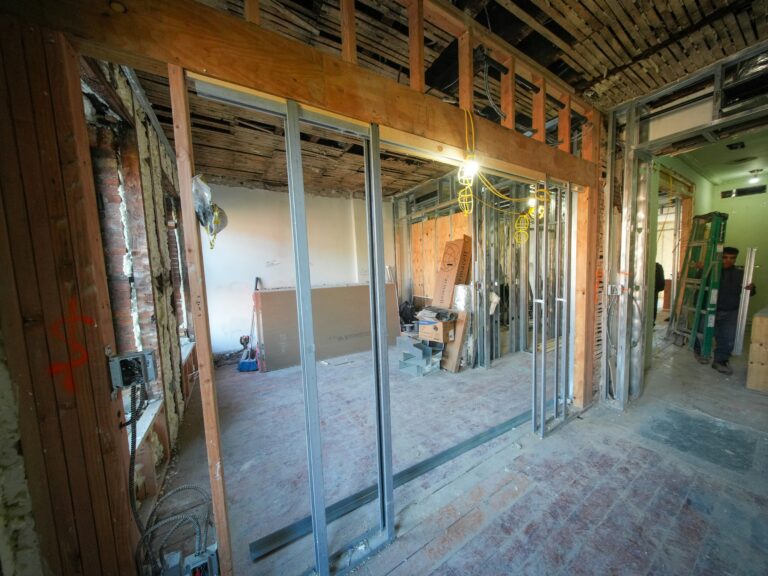
The biggest change was opening up the kitchen to the dining and living areas. This involved removing a non-load-bearing wall, which immediately made the entire first floor feel more expansive and connected. I worked with my contractor to ensure the structural integrity of the remaining walls was sound.
Elevating the Essentials: Cabinetry, Countertops, and Appliances
I opted for custom cabinetry that maximized every inch of space, with clever pull-out shelves and deep drawers. For countertops, I chose a durable and beautiful quartz that was both practical and aesthetically pleasing. Replacing my old appliances with modern, energy-efficient models was another game-changer, not just for functionality but also for reducing my utility bills. I spent a considerable amount of time selecting the perfect sink and faucet that complemented the overall style.
The Art of Lighting: Illuminating the Space
Good lighting is crucial in a kitchen. I incorporated a layered lighting scheme, including recessed ceiling lights for general illumination, pendant lights over the island for task lighting and a focal point, and under-cabinet lighting to eliminate shadows on the countertops. This made a remarkable difference in the kitchen’s overall atmosphere and usability.
The Sanctuary of Serenity: Revamping My Bathroom
My bathroom was functional, but lacked any sense of luxury. I envisioned a space where I could truly relax and recharge.
A Spa-Like Atmosphere: Tile, Fixtures, and Color Palette
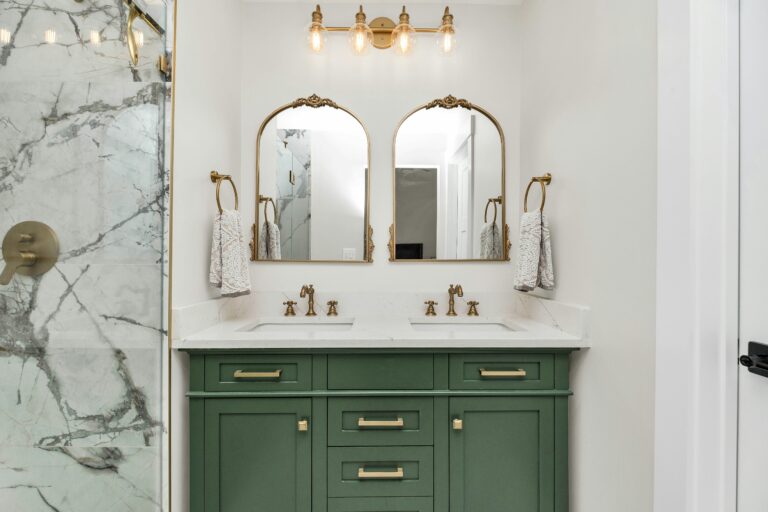
I opted for large-format, neutral-toned tiles for the floor and shower walls to create a sense of spaciousness and sophistication. A new, modern vanity with ample storage replaced my old pedestal sink. I splurged on a high-quality showerhead with multiple spray settings, turning my daily shower into a truly invigorating experience. The color palette was kept serene and calming, with soft blues and whites, to enhance the spa-like feel.
Maximizing Functionality: Storage and Ventilation
Beyond aesthetics, I focused on practical improvements. Adequate storage was achieved through the vanity and a strategically placed shelving unit. Improving ventilation was key to preventing moisture buildup and maintaining a fresh environment, so we upgraded the exhaust fan.
The Touch of Luxury: Heated Floors and Custom Touches
For a touch of indulgence, I decided to install heated floors. This might seem like a splurge, but stepping onto warm tiles on a cold morning is a luxury I now can’t imagine living without. Little touches like new hardware, a framed mirror, and a plush rug completed the transformation, turning a utilitarian space into a true sanctuary.
If you’re considering a residential home remodeling project, it’s essential to explore various aspects that can enhance both functionality and aesthetics. One insightful resource is an article that discusses the latest trends in home renovations, which can provide inspiration and guidance for your own project. You can read more about these innovative ideas in this related article. By staying informed about current styles and techniques, you can make more informed decisions that will ultimately increase the value and comfort of your home.
Beyond the Obvious: Smaller Projects with Big Impact
| Metrics | Data |
|---|---|
| Number of Remodeling Projects | 500 |
| Average Cost of Remodeling | 50,000 |
| Popular Remodeling Areas | Kitchen, Bathroom, Basement |
| Most Sought-after Features | Energy-efficient appliances, Smart home technology |
While the kitchen and bathroom transformations were the most significant, I also discovered that several smaller, often overlooked projects can have a disproportionately large impact on my home’s overall feel and functionality.
Enhancing Curb Appeal: Welcoming Entrances
The first impression of my home is its exterior. I realized that a little attention here could make a significant difference.
Refreshing the Front Door
A freshly painted front door in a welcoming color, new hardware, and updated house numbers instantly brightened my entryway. Replacing an old, worn-out welcome mat also added a touch of polish.
Landscaping and Outdoor Lighting
Simple landscaping enhancements like adding fresh mulch, planting some colorful flowers, and trimming unruly bushes made a noticeable difference. Strategically placed outdoor lighting not only enhanced security but also created a warm and inviting ambiance for evening arrivals.
Illuminating the Ambiance: Lighting and Fixtures
As I mentioned with the kitchen, lighting is often underestimated. I revisited other areas of my home to ensure adequate and appropriate lighting.
Updating Light Fixtures
Replacing outdated ceiling fixtures in hallways and living spaces with more modern and stylish options breathed new life into these areas. I also considered dimmer switches to control the mood and ambiance of different rooms.
The Power of Natural Light
Maximizing natural light was a key consideration. I ensured that window treatments were light and airy, allowing as much daylight as possible to stream in. For areas where privacy was an issue, I explored frosted glass films or sheer curtains.
The Foundation of Comfort: Flooring and Paint
These are the elements that truly set the tone for any room.
Replacing Worn Flooring
In high-traffic areas, I replaced worn-out carpeting with durable and stylish vinyl plank flooring. This was not only more aesthetically pleasing but also much easier to clean and maintain.
A Fresh Coat of Paint: The Ultimate Room Revitalizer
A fresh coat of paint can do wonders. I chose colors that complemented each other throughout the house, creating a cohesive and visually appealing flow. I opted for a higher quality paint with a washable finish, especially in areas prone to scuffs and marks.
The Continuous Evolution: Maintenance and Future Plans
My remodeling journey wasn’t a single, finite event. It was an ongoing process of improvement and refinement. The transformations I’ve made have instilled in me a greater appreciation for my home and a desire to keep it in top condition.
The Importance of Regular Maintenance
Now that my home is refreshed, I’ve learned the importance of regular maintenance to preserve my investments. This includes regular cleaning, addressing minor issues promptly before they become major problems, and keeping up with seasonal tasks like gutter cleaning and checking for drafts.
Proactive Repairs: The Penny Saved is a Penny Earned
I’ve become more attuned to small issues, like a dripping faucet or a loose tile. Addressing these promptly prevents them from escalating into costly repairs down the line. It’s about being proactive rather than reactive.
Seasonal Checks and Balances
I now have a routine for seasonal checks, ensuring my home is ready for the changing weather. This includes checking my heating and cooling systems, inspecting my roof, and ensuring my gutters are clear to prevent water damage.
Embracing the Future: Long-Term Vision and Adaptability
While my current renovations have brought immense satisfaction, I know that my home will continue to evolve. I’m always keeping an eye out for inspiration and planning for future projects, no matter how small.
Future Projects on the Horizon
Perhaps it’s a basement finishing project, or updating my home office. I’m always thinking about how I can continue to enhance my living space to meet my changing needs and lifestyle.
Adapting to Life’s Changes
As life unfolds, so too do the demands on my living space. I’m mindful of how future needs might arise, whether it’s accommodating a growing family or creating a more accessible living environment down the line. My remodeling journey has taught me that a home is a living, breathing entity, constantly adapting and transforming alongside its inhabitants.
My journey of transforming my home has been a revelation. It’s been a testament to the power of planning, the importance of careful execution, and the immense satisfaction that comes from creating a space that truly reflects my personality and meets my needs. This wasn’t just about updating my house; it was about creating a more comfortable, functional, and aesthetically pleasing sanctuary where I can continue to build my life’s stories. I encourage anyone considering a remodel to embrace the process, learn from each step, and enjoy the incredible reward of making their house truly feel like home.
FAQs
What is residential home remodeling?
Residential home remodeling refers to the process of making changes or improvements to a home’s structure, layout, or design. This can include renovations to the kitchen, bathroom, basement, or any other area of the home.
What are common reasons for residential home remodeling?
Common reasons for residential home remodeling include increasing the home’s value, updating outdated features, improving functionality, enhancing energy efficiency, and accommodating changing lifestyle needs.
What are the different types of residential home remodeling projects?
Residential home remodeling projects can include kitchen renovations, bathroom remodels, basement finishing, room additions, exterior updates, and whole-house renovations. Each project type focuses on different areas of the home and serves different purposes.
How long does a residential home remodeling project typically take?
The duration of a residential home remodeling project can vary depending on the scope of work, size of the project, and any unforeseen complications. Small projects like a bathroom remodel may take a few weeks, while larger projects like a whole-house renovation can take several months to complete.
What should homeowners consider before starting a residential home remodeling project?
Before starting a residential home remodeling project, homeowners should consider their budget, desired timeline, necessary permits, hiring reputable contractors, and the potential impact on their daily lives during the construction process. It’s also important to have a clear vision of the desired outcome and to communicate effectively with the remodeling team.